Frame Materials
How Carbon Fiber Layup Affects Frame Stiffness and Weight
An analysis of carbon fiber orientation and resin content in bicycle frames,…
Read
In bicycle engineering, frame geometry denotes the set of angles and dimensions—seat tube angle, head tube angle, chainstay length, and bottom bracket drop—that define a bicycle's handling characteristics. Drivetrain mechanics encompass the chain, chainrings, cassette, and derailleurs working as an integrated system to transfer pedalling force. Gear ratios are calculated as the ratio of chainring teeth to rear cog teeth, yielding a numerical expression of mechanical advantage at a defined cadence and wheel circumference. The derailleur functions through cable tension and spring recoil to position the chain across selected sprockets. Contemporary bicycle engineering examines material stiffness, manufacturing tolerances, and force distribution as interconnected variables affecting the relationship between rider input and propulsion.
Bicycle engineering is a fascinating field that combines materials science, mechanical design, and human-powered transport. From the subtle angles of frame geometry to the intricate workings of drivetrain mechanisms, every component plays a critical role in performance, comfort, and safety. At Veloframe Engineering, we delve into these fundamentals to help enthusiasts and professionals alike understand the technical decisions behind modern bicycles.
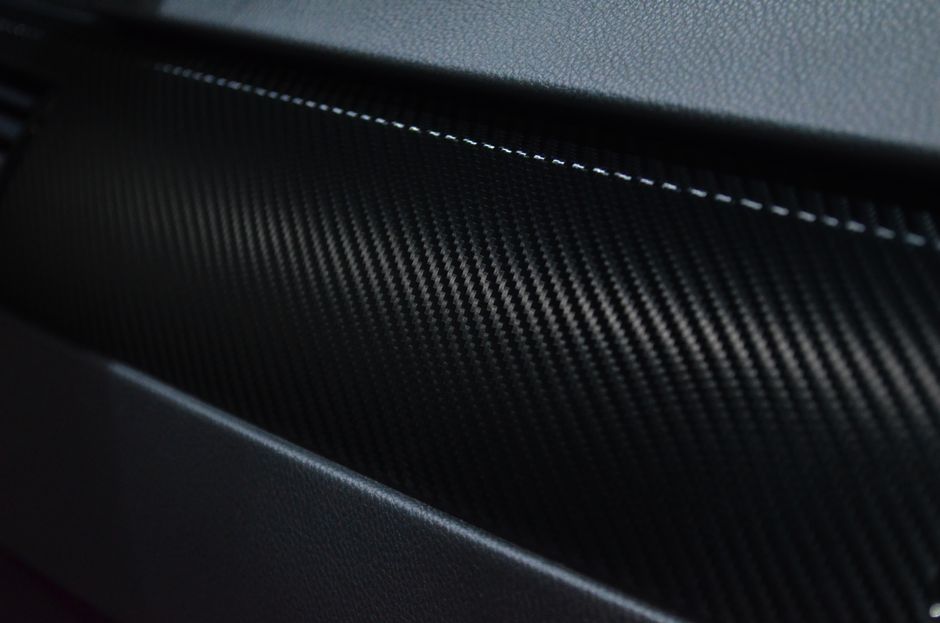
Frame geometry determines a bicycle’s handling, stability, and rider fit. Key parameters include head tube angle, seat tube angle, chainstay length, and bottom bracket drop. Materials such as steel, aluminium, titanium, and carbon fibre each offer distinct properties: steel provides compliance and repairability, aluminium offers a stiff and lightweight option, titanium excels in corrosion resistance and fatigue life, while carbon fibre allows for complex shapes and aerodynamic optimisation. Understanding these trade-offs is essential for designing frames that meet specific riding needs.
By mastering these fundamentals, engineers can push the boundaries of bicycle design, creating machines that are faster, more comfortable, and more reliable. Whether you are building a custom frame or analysing component performance, a solid grasp of bicycle engineering principles is indispensable.