Comparing Internal Gear Hubs and Derailleur Systems for Commuters
When selecting a bicycle for daily commuting, the drivetrain is a critical component that influences maintenance requirements, gear selection, and overall riding experience. Two primary systems dominate the market: internal gear hubs and derailleur drivetrains. Each design offers distinct advantages and trade-offs, shaped by mechanical principles and intended use. For commuters in the United Kingdom, where weather conditions can vary and urban environments demand reliability, understanding these differences is essential for making an informed decision.
This article provides a technical comparison of internal gear hubs and derailleur systems, focusing on maintenance, gear range, and efficiency. It does not recommend one system over the other but instead outlines how each operates and what factors may affect performance in everyday commuting. By examining these aspects, cyclists can better align their choice with personal priorities and riding conditions.
Fundamental Design and Operation
Internal gear hubs enclose the gear mechanism within the rear wheel hub, protecting it from external elements. Shifting occurs through a planetary gear system, activated by a cable and often a twist shifter or trigger. Because the gears are sealed, they are less exposed to dirt, water, and impact. This design often requires less frequent maintenance, as the internal components are lubricated and shielded. However, accessing the gears for repair or adjustment typically demands specialised tools and knowledge.
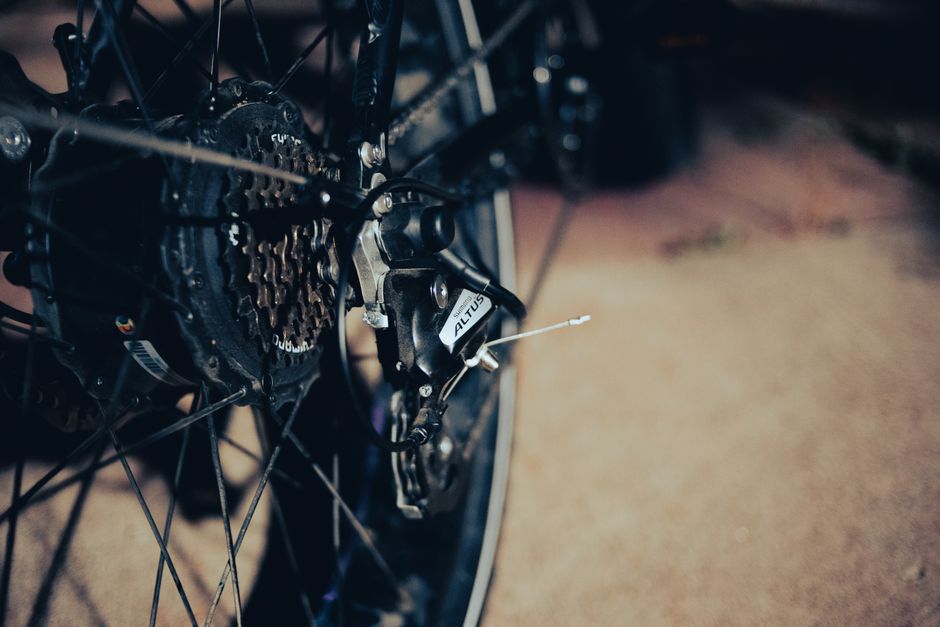
Derailleur systems, in contrast, use a mechanism that moves the chain across a cassette of multiple sprockets. The derailleur arms and jockey wheels are external, making them susceptible to grime and potential damage. Shifting is achieved by cable tension adjustments, and the system offers a wide range of gears by combining front and rear derailleurs. This setup is common on road and hybrid bikes, and its components are widely available and familiar to most mechanics.
The choice between these systems often hinges on the commuting environment. In urban areas with stop-start traffic, internal gear hubs allow shifting while stationary, which can be advantageous at traffic lights. Derailleur systems typically require the chain to be moving for smooth shifts, though many commuters adapt their technique. Both designs have evolved over decades, and each has a loyal following among cyclists.
Maintenance and Durability
Maintenance requirements differ significantly between the two systems. Internal gear hubs are generally low-maintenance due to their sealed construction. The lubricant inside the hub may need replacement at intervals, but this is often less frequent than the cleaning and lubrication required for a derailleur. Commuters who ride in wet or gritty conditions may appreciate the hub’s ability to keep contaminants out. However, if a hub does require service, it often necessitates disassembly by a professional, which can be costly and time-consuming.
Derailleur systems demand more regular attention. The chain, cassette, and derailleur pulleys accumulate dirt and require cleaning and lubrication to function optimally. Cables can stretch over time, affecting shifting precision. In the UK’s variable weather, road spray and salt can accelerate wear. Yet, derailleur components are relatively inexpensive and easy to replace, and many cyclists learn to perform basic adjustments themselves. This accessibility can be a practical advantage for those who prefer hands-on maintenance.
Durability also depends on riding style and conditions. Internal gear hubs can withstand neglect better, but they are not indestructible. Derailleurs are more vulnerable to impact damage, such as from a fall or a stray branch, but individual parts can be swapped without replacing the entire system. For commuters who park in tight spaces or navigate crowded bike racks, this modularity may be beneficial.
Gear Range and Steps
Gear range refers to the ratio between the highest and lowest gears, determining how well a bike can handle hills and fast flats. Internal gear hubs typically offer fewer gears than derailleur systems, with common models providing 3 to 14 speeds. The range may be narrower, but the steps between gears are often more evenly spaced, which can suit predictable commuting routes. Some premium hubs offer wider ranges, but they come at a higher cost and weight.
Derailleur systems can achieve a broader gear range by combining multiple chainrings and a wide cassette. This allows for fine-tuning cadence across varied terrain. For commuters facing steep inclines or long descents, the extra range can be advantageous. However, the overlap between gears and the need to anticipate shifts can add complexity. The choice depends on the typical route profile and the rider’s preference for simplicity versus versatility.
It is worth noting that gear range is not solely about the number of gears. The actual gear inches or development matters, and both systems can be configured to meet specific needs. Veloframe Engineering, for instance, designs frames that accommodate either system, allowing riders to tailor their setup. This flexibility underscores that the drivetrain is just one part of the commuting equation.
Efficiency and Performance
Efficiency in drivetrains refers to how much of the rider’s power reaches the rear wheel. Derailleur systems are generally more efficient because they use a simple chain and sprocket arrangement with minimal internal friction. A well-maintained derailleur can transfer power with losses of only a few percent. This efficiency can be noticeable on longer commutes or when riding at higher speeds.
Internal gear hubs introduce additional friction from the planetary gears and lubricant. Depending on the design and number of gears, efficiency losses can range from 5% to 15% or more. For short commutes or leisurely paces, this may be imperceptible. However, for performance-oriented commuters, the difference could affect average speed and effort. It is important to consider that efficiency can vary with gear selection and maintenance status.
Other performance factors include shifting under load and noise. Internal hubs generally allow shifting while stationary or pedalling lightly, which can be convenient in traffic. Derailleurs require pedalling to shift, and shifting under heavy load can cause chain skipping or misalignment. Noise levels also differ: hubs run quietly, while derailleurs may produce chain noise, especially when not perfectly tuned. These nuances contribute to the overall riding experience but are often subjective.
Practical Considerations for Commuters
When choosing between internal gear hubs and derailleur systems, commuters should weigh several practical factors. Cost is one: internal hubs often carry a higher initial price, but may save on maintenance over time. Derailleur systems are generally cheaper upfront and have lower-cost replacement parts. Weight is another: hubs add weight to the rear wheel, which can affect handling, while derailleurs are lighter but distribute weight differently.
Compatibility with accessories such as racks and mudguards can also influence the decision. Internal hubs often require specific frame designs, while derailleurs are more adaptable. In the UK, where commuting often involves carrying luggage, this may be a consideration. Additionally, the availability of local bike shops familiar with each system can impact service convenience.
Ultimately, the best choice depends on individual circumstances, including commute distance, terrain, climate, and personal maintenance preferences. Both systems have proven track records, and neither is universally superior. By understanding the technical distinctions, commuters can select a drivetrain that aligns with their needs and riding style.
“The drivetrain is a personal choice, influenced by the rider’s environment, habits, and priorities. There is no one-size-fits-all solution.”
In summary, internal gear hubs and derailleur systems each offer unique benefits for commuters. Internal hubs provide low maintenance and clean shifting, while derailleurs offer efficiency and wide gear range. The decision should be based on a balanced assessment of these factors, alongside practical considerations and professional advice where needed.